


Israeli Strike on Hamas Leaders in Qatar: A Major Escalation
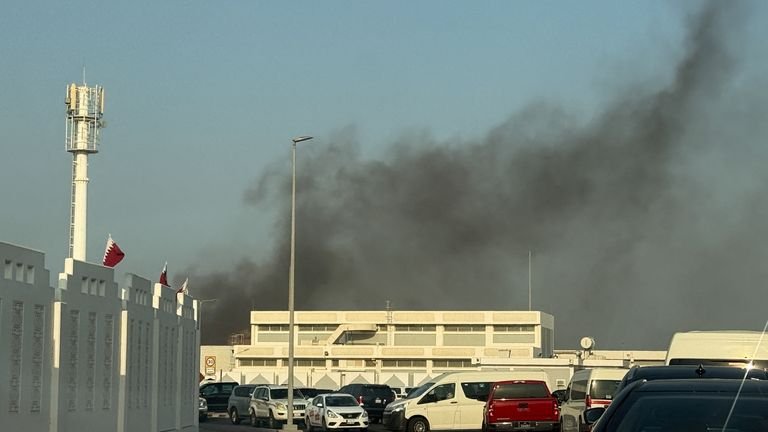
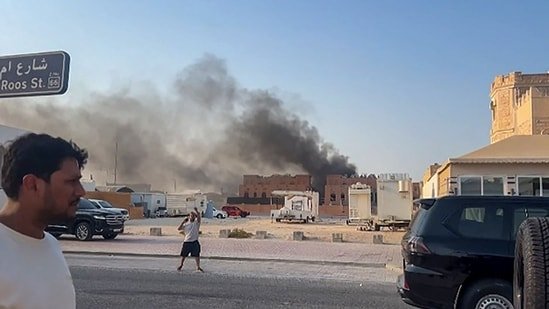
An Israeli airstrike targeting senior Hamas leaders in Qatar has escalated tensions in the ongoing conflict between Israel and the militant group. This unprecedented action could jeopardize ongoing negotiations aimed at securing a ceasefire in Gaza and the return of Israeli hostages. The strike, which occurred on Tuesday, has raised concerns about a potential diplomatic fallout with Qatar, a U.S. ally that has played a crucial role as a mediator in the region.
Details of the Strike
The Israeli operation reportedly aimed at high-ranking Hamas officials who were convening in Doha. While Hamas confirmed the deaths of two lower-ranking members and three bodyguards, it claimed that its top leaders survived the attack. Historically, Hamas has been reticent to confirm the deaths of its leaders, often waiting months to provide clarity on such matters. The absence of immediate evidence regarding the survival of senior figures adds an air of uncertainty to the situation.
The strike coincided with discussions among Hamas leaders regarding a new ceasefire proposal from the Trump administration. The White House stated that Israel had informed the U.S. prior to the strike, which in turn communicated the information to Qatari officials. President Trump characterized the incident as “unfortunate,” expressing concerns that it could hinder peace efforts in the region.
The Context of Hamas’ Leadership
Hamas, which has been a significant player in Palestinian politics since its establishment in the 1980s, has seen many of its leaders based abroad, particularly in Qatar and Turkey. This is a strategic choice, as these nations have historically provided a degree of protection and support. The recent airstrike marks a significant shift in Israel’s approach, as it had previously refrained from targeting Hamas leaders in Qatar, likely due to the country’s close ties with the United States.
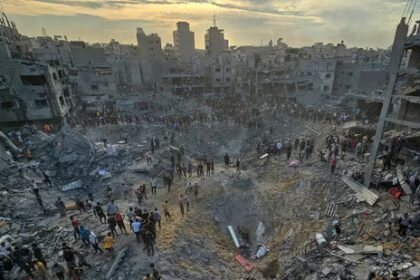
The ongoing conflict has resulted in catastrophic humanitarian consequences. According to Gaza’s Health Ministry, over 64,000 Palestinians have died since the outbreak of hostilities, with women and children comprising a substantial portion of the casualties. The war has led to widespread destruction, displacing approximately 90% of Gaza’s 2 million residents and creating dire conditions, including famine in some areas.
Despite the chaos, Hamas has managed to maintain a degree of operational capability, continuing to launch guerrilla-style attacks against Israeli forces. The group’s ability to adapt and survive in the face of such overwhelming military pressure is a testament to its resilience.
Ceasefire Negotiations in Jeopardy
Israeli Prime Minister Benjamin Netanyahu has made it clear that the military campaign will persist until all hostages are returned and Hamas is disarmed. This stance has sparked mass protests within Israel, with many citizens demanding a ceasefire that would facilitate the return of hostages. The fear is that further military escalation could endanger the lives of those still held captive.
In the days leading up to the strike, Trump issued a “last warning” to Hamas, while Israel was reportedly preparing for a significant offensive in Gaza City. Hamas received a new ceasefire proposal from the U.S., which called for the immediate release of all remaining hostages in exchange for discussions on ending the conflict and withdrawing Israeli forces. While Israel accepted the proposal, Hamas dismissed it as a “humiliating surrender document,” expressing skepticism about Israel’s commitment to a lasting peace.
The timing of the airstrike has thrown these negotiations into disarray. Hamas, already distrustful of both Israel and the U.S. following a previous ceasefire breakdown in March, now faces even greater uncertainty. The decision-making process regarding the hostages is likely to be influenced by Hamas’ armed wing, which remains operational in Gaza and is led by Ezzedin al-Haddad, a seasoned commander.
Regional Implications and Reactions
The strike in Qatar has sent shockwaves throughout the region, particularly given Qatar’s status as a U.S. ally and its role as a mediator in various conflicts, including those involving the Taliban. The action has drawn condemnation from key American allies, including Egypt, Turkey, Saudi Arabia, and the United Arab Emirates. Critics argue that the strike could further isolate Israel on the international stage, complicating its diplomatic relationships.
Qatar has faced accusations of supporting Islamist groups to extend its influence in the region, a claim that Qatari officials vehemently deny. They assert that their mediation efforts are aimed at promoting regional stability and are conducted with the full knowledge and backing of the United States.
The fallout from this strike could have lasting implications for the geopolitical landscape in the Middle East. As tensions rise, the potential for further military action looms large, and the humanitarian crisis in Gaza continues to deepen.
Conclusion
The Israeli airstrike targeting Hamas leaders in Qatar represents a significant escalation in the ongoing conflict, with far-reaching implications for regional stability and diplomatic relations. As negotiations for a ceasefire hang in the balance, the situation remains fluid and fraught with uncertainty. The humanitarian toll of the conflict continues to mount, underscoring the urgent need for a resolution that addresses the complex dynamics at play. The coming days will be critical in determining the trajectory of both the conflict and the broader geopolitical landscape in the Middle East.